Signs of Frame or Structural Damage After a Collision
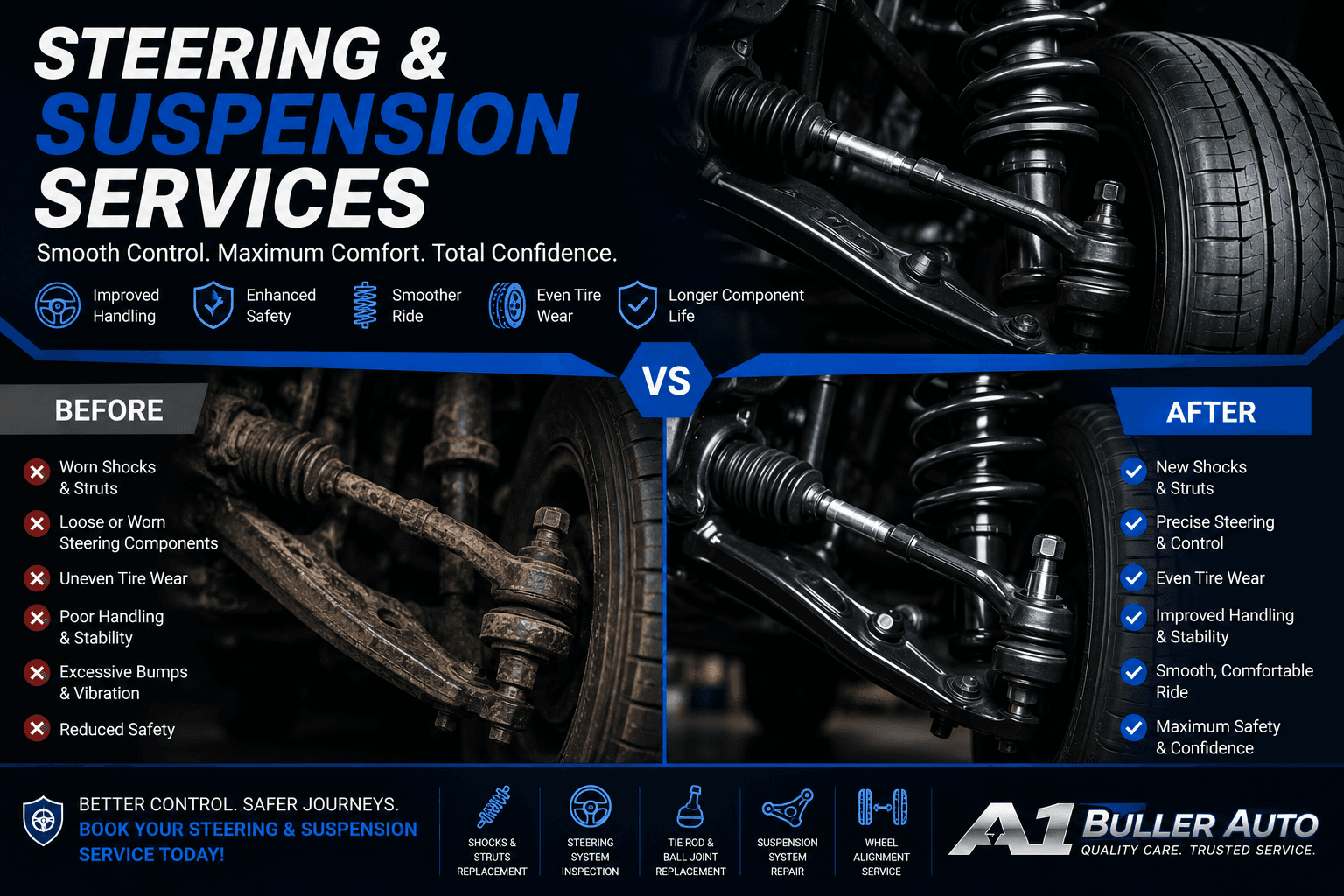
Structural collision damage is not always obvious. Modern vehicles commonly use a unibody structure in which the body and structural sections work together. Even when the vehicle still drives, movement at mounting points can affect fit, alignment, tire wear, crash performance, and the way other repairs come together.
Common warning signs
- Doors, hood, or trunk that bind or no longer close consistently
- Uneven gaps around panels
- A steering wheel that sits off-centre
- Pulling, wandering, or a new vibration
- Rapid or uneven tire wear
- Wheels that appear to sit differently in their openings
- Visible buckling, cracked seam sealer, or displaced mounting points
- Wind noise or water leaks that began after the collision
These symptoms can also have non-structural causes. They are reasons to inspect and measure, not proof of frame damage by themselves.
Why wheel alignment alone may not answer the question
An alignment measures wheel angles. Structural measurement checks reference points in the vehicle body against specified dimensions. A suspension component, mounting point, or structural section may need attention before a reliable alignment can be completed.
How computerized measurement helps
A measuring system compares multiple reference points with vehicle specifications. The results help identify the direction and extent of movement, guide correction, and provide a way to check the structure again after repair. The correct procedure depends on the vehicle design, materials, and manufacturer instructions.
Repair versus replacement
Some structural sections are designed to be corrected within specified limits; others require partial or complete replacement when damaged in particular ways. Heat, pulling, sectioning, joining, corrosion protection, and material-specific procedures must follow the applicable repair information.
Do not postpone an inspection when driving has changed
If the vehicle pulls, rubs a tire, shows warning lights, leaks fluid, or has loose components, stop and ask whether it should be driven. A prompt inspection can prevent secondary tire or suspension damage and establish what the repair plan actually requires.