Should a Damaged Bumper Be Repaired or Replaced?
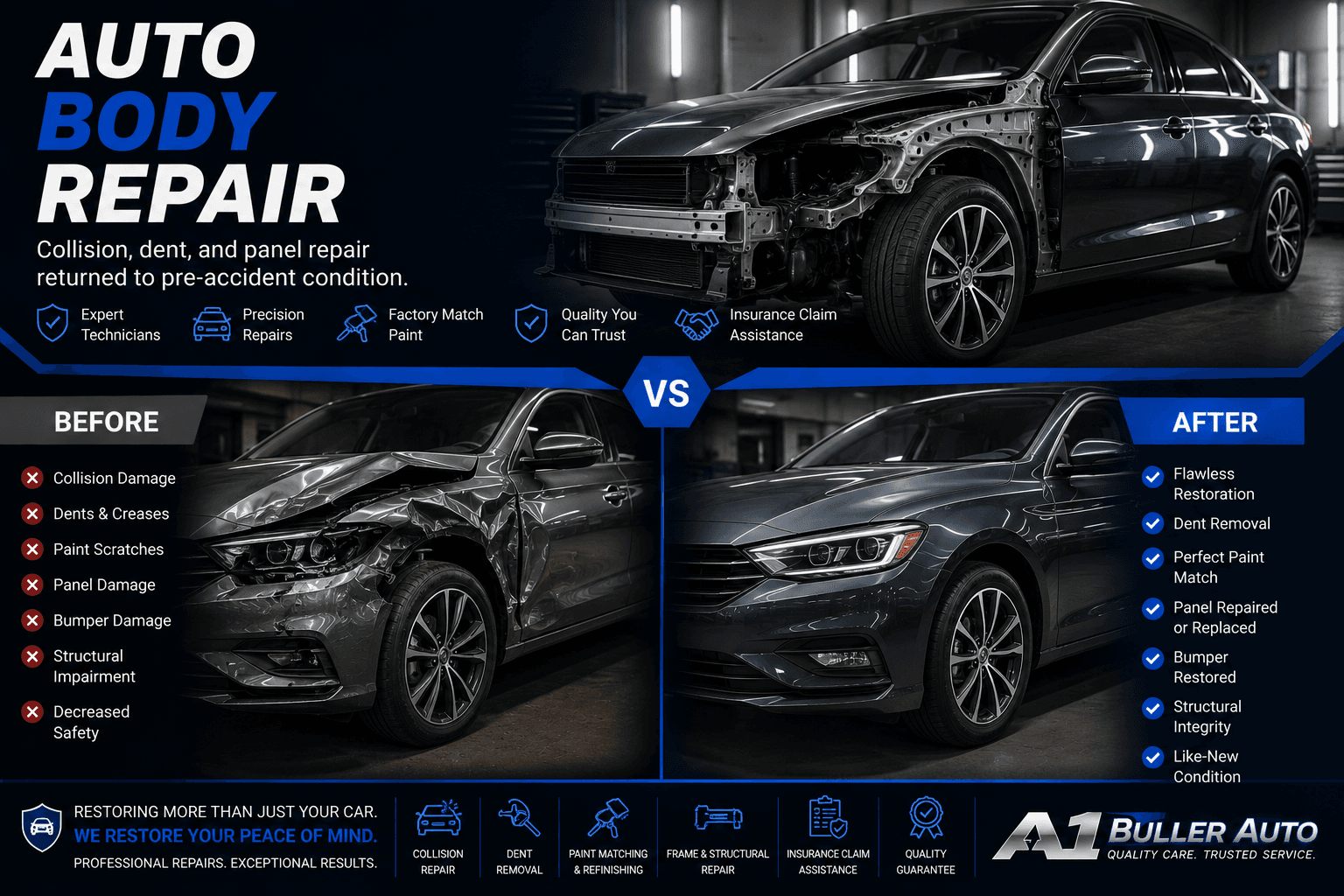
A bumper cover can look like a simple painted plastic shell, but the complete bumper system may include absorbers, reinforcement, brackets, wiring, parking sensors, cameras, radar components, lamps, and air-management pieces. The correct decision depends on everything affected behind the visible surface.
Damage that may be repairable
Many scuffs, scratches, small punctures, limited cracks, and localized distortions can be repaired when the material and location allow it. A repair may involve reshaping, plastic repair, surface preparation, primer, colour matching, and clear coat. The mounting points and surrounding structure still need to be checked.
Reasons replacement may be recommended
- Major tears or missing material
- Damage across critical mounting locations
- Distortion that prevents correct fit
- Previous repairs that limit another safe repair
- Damage incompatible with the bumper material or manufacturer procedure
- A total repair cost that is no longer economical compared with replacement
Hidden bumper damage
The cover can spring back after impact while the absorber, reinforcement, brackets, or body mounting points remain damaged. Loose corners, uneven gaps, warning messages, rattles, and sensor problems deserve an inspection. Damage behind the cover may only be confirmed after removal.
Sensors and driver-assistance systems
Parking sensors, cameras, and radar components need correct position and secure mounting. Depending on the vehicle and work performed, scanning, aiming, testing, or calibration may be required. Painting and repair materials must not interfere with components whose operation depends on the bumper area.
Colour matching and blending
Paint codes provide a starting formula, but age, environmental exposure, production variation, and prior refinishing can affect the visible colour. Technicians compare variants and adjust the formula before refinishing so the repaired bumper fits the surrounding appearance.
What to include with an estimate request
Send photos from several angles, including the full bumper, both corners, the damaged area, the gaps beside adjacent panels, and any warning shown on the dashboard. Mention whether sensors, lamps, the trunk, or the hood behave differently. The final repair recommendation should follow an in-person inspection.