Notice Wheel Alignment Warning Signs Before Tire Damage
Notice Wheel Alignment Warning Signs Before Tire Damage
A vehicle rarely displays a dashboard message that says its wheel alignment is out. Instead, drivers notice changes in steering feel, wheel position or tire wear. Those clues justify an inspection, but they do not prove alignment is the cause: tire pressure, balancing, wheel damage, brakes and worn steering or suspension parts can feel similar.
A1 Buller Auto Collision’s current Burnaby website lists wheel alignment alongside tire, brake, auto-repair and collision services. That makes it a local place to request an inspection. The website does not diagnose a vehicle, establish a price or promise that alignment is the correct repair.
Five signs that justify an alignment inspection
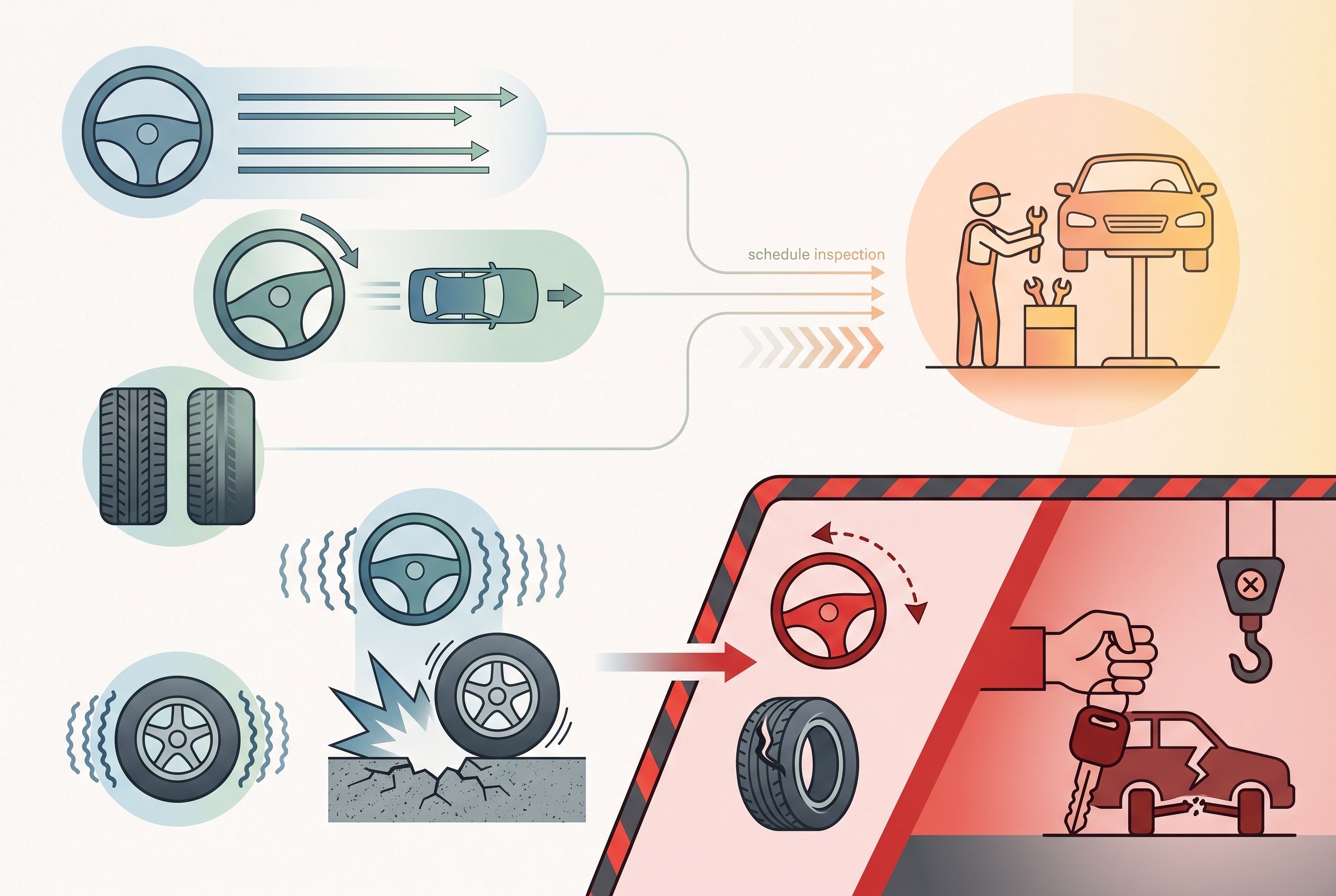
1. Persistent pulling or drifting
If the vehicle consistently moves left or right on a reasonably flat, calm road, note when it happens and whether braking changes it. Road crown and wind can cause temporary drift. A persistent pattern deserves inspection, but a technician must separate alignment from tire, brake and suspension causes.
2. An off-centre steering wheel
When the vehicle is travelling straight, the steering-wheel spokes should generally appear centred. If the wheel remains rotated after a pothole, curb strike or repair, record the change. Do not test by taking your hands off the wheel.
3. Uneven or rapid tire wear
Inspect all four tires regularly across inner, centre and outer tread. Transport Canada notes that uneven tread wear can result from improper alignment or tire imbalance. Pressure, rotation history, worn components and driving conditions also matter. A worn pattern is evidence to inspect, not a complete diagnosis.
4. Changed steering after an impact
A hard pothole, curb contact or collision can affect wheels, tires, steering, suspension or alignment. If the steering feel changes, the car sits differently or a warning light appears, avoid assuming that a measurement adjustment alone will solve it.
5. New steering instability after parts or collision work
Some steering and suspension repairs can require alignment checks. Collision damage can also affect structure or mounting points. Ask what measurements and component inspections are appropriate for the completed work.
Know what alignment symptoms can resemble
| Symptom | Alignment is one possibility | Other areas to inspect |
|---|---|---|
| Pulling | Toe, camber or caster may be outside specification | Tire pressure or construction, brake drag, road crown, suspension damage |
| Vibration | Severe geometry or wear may contribute indirectly | Wheel balance, bent wheel, damaged tire, driveline, worn components |
| Uneven tire wear | Incorrect geometry can scrub tread | Pressure, rotation, balance, worn shocks or joints |
| Off-centre wheel | Steering geometry may need correction | Prior steering repair, component damage or setup issue |
| Noise | Not a reliable alignment sign by itself | Tire, wheel bearing, brake, steering or suspension faults |
Tell the shop the whole symptom history: when it began, recent impacts, repair work, tire age, pressure checks and whether braking or speed changes it.
Choose inspection urgency safely
Arrange prompt inspection for mild persistent pull, an off-centre wheel, gradual uneven wear or a recent hard impact without obvious damage. Limit unnecessary driving until the cause is understood.
Stop and seek safe assistance for sudden severe pulling, loose or binding steering, a tire bulge, exposed cords, rapid air loss, visible wheel or suspension damage, strong vibration, grinding, or any loss of confident control. Do not drive to save a tow if the vehicle may be unsafe.
What a useful inspection should clarify
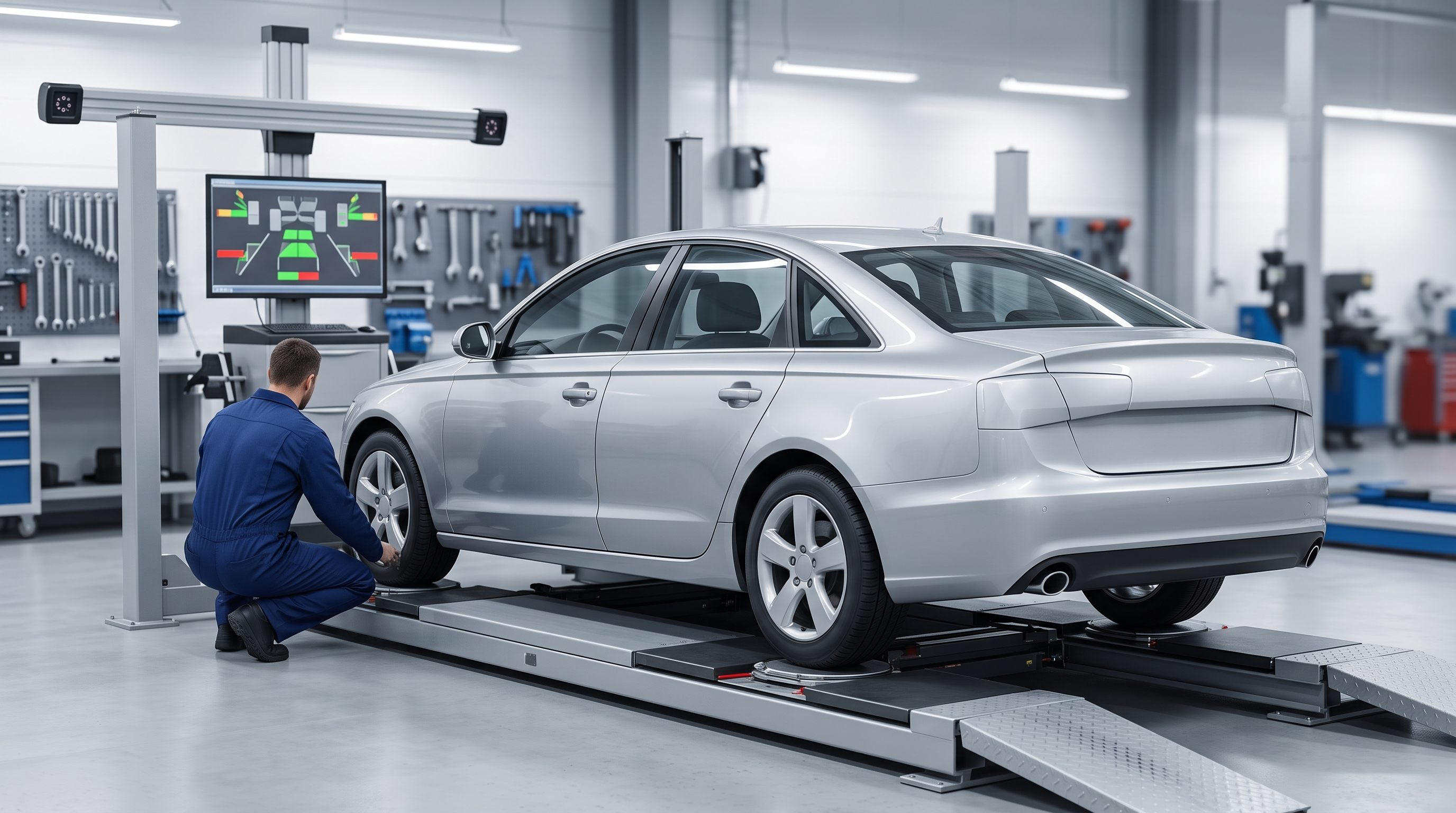
A technician may first confirm tire condition and pressure, inspect wheels, steering and suspension, check for collision or impact damage and then measure alignment against the vehicle manufacturer’s specifications. If a worn or bent part prevents a reliable adjustment, repair decisions may come before final alignment.
- Describe the symptom and recent event in writing.
- Ask whether all four tires and relevant components will be inspected.
- Ask which alignment angles are measured on this vehicle.
- Request explanation of any part that must be repaired first.
- Ask for before-and-after measurements where available.
- Confirm road-test and steering-wheel-centre checks.
- Review tire replacement needs separately from alignment.
An alignment cannot restore tread already worn away. It may help correct geometry after the underlying cause is addressed, but no shop should promise tire life without inspecting the full condition.
Plan a Burnaby service visit
A1 Buller lists its location at 7055 Buller Avenue in Burnaby and provides a booking route plus phone scheduling. When requesting service, share the year, make, model, tire size, symptoms, warning lights, recent impacts and prior repairs. Ask whether the shop can inspect the relevant steering, suspension, wheel and tire concerns before authorizing an alignment.
Bring photos of unusual tread wear and note which tire is shown. Remove unnecessary cargo if the vehicle manufacturer has specific alignment loading instructions, and ask the shop whether any special preparation is needed.
Common mistakes to avoid
- Diagnosing alignment from a single vibration.
- Correcting tire pressure and assuming the wear cause is solved.
- Ignoring inner-edge wear because it is harder to see.
- Buying new tires without investigating the wear pattern.
- Requesting “just an alignment” after a collision or severe curb impact.
- Driving on a bulged, cord-exposed or rapidly deflating tire.
- Accepting an adjustment without asking whether worn parts were found.
- Expecting alignment to repair existing tire damage.
Frequently asked questions
Does a crooked steering wheel always mean bad alignment?
No. It is a useful clue, but prior work, component damage and setup issues can contribute. Have the vehicle inspected and measured.
Can wheel alignment cause vibration?
Vibration is more commonly associated with tire, wheel, balance or component concerns, though multiple faults can coexist. Do not order alignment based on vibration alone.
Will alignment fix uneven tire wear?
It cannot reverse existing wear. It may address one cause after pressure, tire condition and steering or suspension issues are checked.
Should alignment be checked after a collision?
Ask the repair professional based on impact location and damage. Structural, wheel, tire, steering and suspension concerns may need assessment before or alongside alignment.
Use symptoms to request the right inspection
The practical next step is not to guess an angle. It is to document the change, choose safe urgency and ask for a complete inspection that explains the measurement and the cause.
Sources reviewed
- A1 Buller Auto Collision — first-party location and service context.
- Transport Canada tire safety.
- ICBC driving tips.