ICBC Claim After Repair: Protect Your Payout in 2026
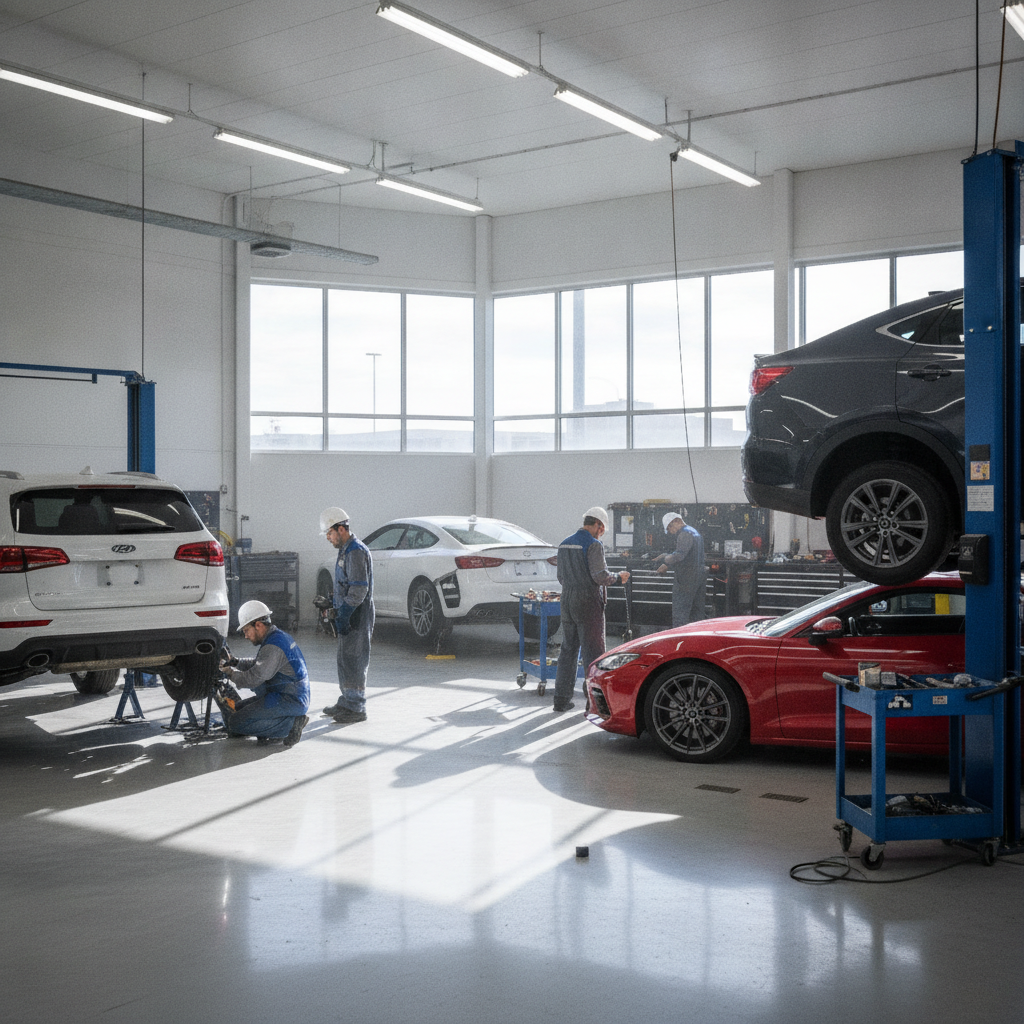
An ICBC claim after collision repair is the insurance process that continues once your vehicle has been fixed by an ICBC-recognized shop in Burnaby. It covers final documentation, post-repair inspections, and settlement. Managing these steps correctly helps protect your payout, ensure safety, and close your file without delays.
By Sandeep Dhir, A1 Buller Auto Collision
Last updated: July 6, 2026
Above-Fold: Hook and Table of Contents
If your car is repaired through the ICBC Repair Network, you still have a few crucial steps before your claim is complete. Confirm the quality of work, gather the right paperwork, and communicate final details to ICBC so your settlement proceeds without hold-ups.
After a crash, it’s easy to assume the job ends when the paint dries. It doesn’t. You still need to finalize your ICBC claim after repair to protect your settlement and your safety.
- What an ICBC claim after collision repair actually involves
- How the post-repair process works, step-by-step
- What to check on your vehicle before signing off
- Documents, timelines, and who handles what
- How A1 Buller’s certified team supports every step
- What Is an ICBC Claim After Repair?
- Why These Steps Matter
- ICBC Claim After Collision Repair: Step-by-Step
- Common Post-Repair Scenarios
- Best Practices to Protect Your Payout
- Tools and Resources
- Pricing and Settlements (What Affects Outcomes)
- Case Studies from Burnaby Drivers
- Frequently Asked Questions
- Conclusion and Next Steps
Quick Summary
Post-repair claim work ensures your car is safe, the paperwork is complete, and your ICBC settlement closes smoothly. Check the finish and drivability, collect final documents, and contact ICBC if anything feels off. A trusted ICBC partner shop can coordinate details and reduce back-and-forth.
In Burnaby, drivers often rely on an ICBC partner shop to handle most logistics. As an ICBC PLATINUM PARTNER, A1 Buller Auto Collision helps finalize documentation, coordinates supplements if needed, and walks you through post-repair checks so you can sign off with confidence.
What Is an ICBC Claim After Repair?
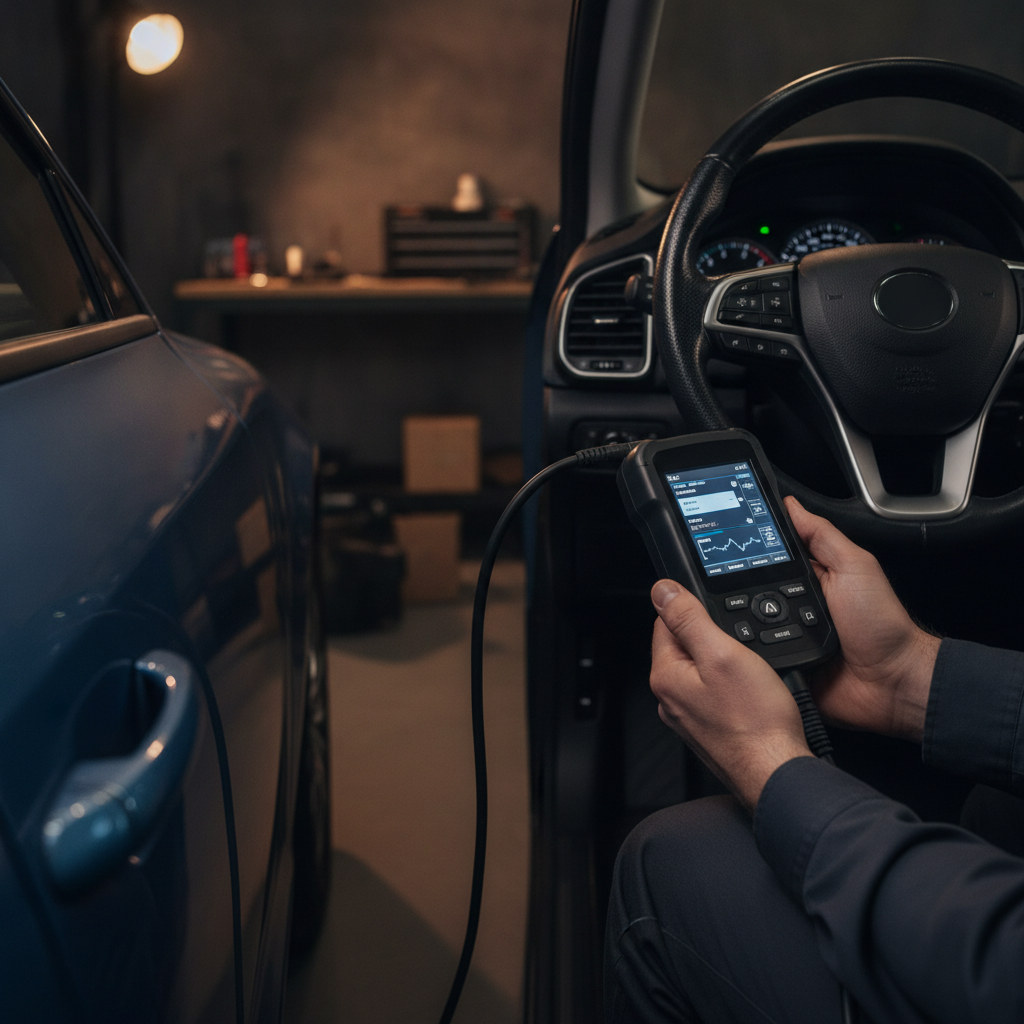
An ICBC claim after repair is the final phase of your insurance claim once the body and mechanical work are complete. It includes quality checks, final paperwork, and communication with ICBC to confirm that repairs meet standards and your file is ready to close.
Think of it as the last mile. Your vehicle is back from the shop, but your claim file still needs closing activities. At A1 Buller Auto Collision, that means confirming the finish, alignment, and system diagnostics align with the repair plan—and helping you understand your documents.
Key components of this phase
- Vehicle quality verification: Visual finish, panel gaps, paint match, and drivability.
- Paperwork and photos: Repair order, parts list, calibrations, and any “before/after” documentation.
- Communication with ICBC: Confirm completion; flag concerns or additional damage if found.
- Warranty details: Paint and workmanship guarantees through the shop and network.
Because A1 Buller is part of the ICBC Repair Network, much of the coordination is streamlined. The structure reduces your admin time, helps with parts availability, and simplifies documentation—especially useful when complex repairs involve paint matching, wheel alignment, or brake replacement.
Why These Post-Repair ICBC Steps Matter
These final steps protect two things: your safety and your settlement. Verifying workmanship, collecting documents, and communicating issues promptly helps prevent delays and ensures your vehicle performs as designed after the collision repair.
Here’s the thing: small oversights can snowball into bigger problems. A slight pull in your steering, an A/C that doesn’t cool evenly, or uneven tire wear after repair can signal alignment or calibration issues. Closing your ICBC claim carefully can also prevent unnecessary back-and-forth later.
Results you secure by doing this right
- Safer driving: Confirm structural, steering, and brake performance before daily use.
- Cleaner file closure: Fewer claim follow-ups and better documentation if questions arise.
- Long-term value: Proper paint matching and panel fit maintain appearance and resale confidence.
- Stronger paper trail: If anything resurfaces, you have calibration and inspection records in hand.
In our experience supporting Burnaby drivers, the best outcomes come from transparent communication between you, the shop, and ICBC—especially when repairs involve advanced driver-assistance systems that require scans and calibrations after body and mechanical work.
ICBC Claim After Collision Repair: Step-by-Step
Finalize your ICBC claim by inspecting the car, reviewing documents, and confirming completion with ICBC. If you notice issues—like alignment pull, paint mismatch, or warning lights—contact your ICBC Repair Network shop immediately to initiate supplemental steps and keep your settlement on track.
Step-by-step checklist
- Inspect the finish in daylight. Check color match, panel gaps, and clearcoat texture from multiple angles.
- Test drivability. Take a short drive to assess steering centering, brake feel, and wind noise.
- Verify electronics. Confirm warning lights are off, sensors respond, and A/C controls behave normally.
- Review documents. Read the repair order, parts list, alignment specs, and calibration reports.
- Ask about warranties. Note paint and workmanship coverage and how to use it if needed.
- Communicate with ICBC. If everything checks out, confirm completion; if not, report concerns quickly.
At-a-glance process (post-repair)
| Step | What you do | Who handles it | Typical timing |
|---|---|---|---|
| 1. Vehicle pickup | Confirm finish and basics at the shop | You + shop advisor | Same day |
| 2. Short road test | Check steering, brakes, noises | You | Same day |
| 3. Document review | Read repair order and calibrations | You + shop | Within 24–48 hours |
| 4. ICBC confirmation | Advise ICBC of completion or concerns | You + shop | Promptly |
| 5. Supplements (if any) | Report new issues; shop submits updates | Shop + ICBC | Varies by scope |
| 6. File closure | Keep copies; understand warranties | You | After confirmation |
When you pick up at A1 Buller Auto Collision, our advisor walks you through this checklist. If you notice a pulling sensation, we confirm wheel alignment specs and steering angle sensor status; if paint looks off, we re-check code, mix, and blend panels.
Common Post-Repair Scenarios
Most ICBC claims finish cleanly after repair, but a few scenarios need extra attention: subtle paint tone shifts, alignment pulls, brake pulsation, or A/C performance changes. Flag them early so your network shop can resolve issues and update the claim if needed.
Paint and finish
- Color match nuances: Metallics and pearls can shift under different light. View panels outdoors and indoors.
- Blend technique: Adjacent panels are sometimes blended to ensure a seamless visual match.
- Texture and dust nibs: Minor surface imperfections can be polished during delivery or at follow-up.
Steering, suspension, and brakes
- Alignment feel: If the wheel isn’t centered, an alignment verification and steering angle calibration may be required.
- Brake feel: New pads or rotors may feel different until bedded; pulsation suggests rotor runout or debris.
- Tire wear watch: Uneven wear after repair often traces back to alignment or bushing damage discovered later.
HVAC and electronics
- A/C performance: If cooling is weak, lines or sensors could need inspection—especially after front-end work.
- Warning lamps: Airbag, ABS, or ADAS lights require scan-tool diagnostics and possible recalibration.
- Camera and radar aim: Any ADAS component replaced or moved must be calibrated to factory specs.
Because A1 Buller offers wheel alignment, A/C service, tire and brake replacement alongside body repair, we can troubleshoot these systems without bouncing you between multiple locations.
Best Practices to Protect Your Payout
Document everything, test the car in real conditions, and contact your shop quickly if something’s off. Keep copies of the repair order, alignment and calibration results, and photos. Fast reporting helps your ICBC partner shop fix issues and keep your settlement moving.
What to do before you sign off
- Inspect in different light: Morning sun, overcast, and indoor light can reveal different paint tones.
- Drive at neighborhood speeds: Listen for wind noise, creaks, or rubbing near repaired areas.
- Check gaps and seals: Run a finger along panel gaps and door weatherstrips to feel for uniformity.
- Photograph the car: Keep 6–8 photos of repaired panels and the interior for your records.
Paperwork to keep and why it matters
- Repair order and parts list: Shows exactly what was replaced and refinished.
- Alignment printout: Confirms caster, camber, and toe are within spec.
- Calibration reports: Verifies sensors, cameras, and modules are set correctly.
- Warranty statements: Explains coverage and how to access it.
Local considerations for Burnaby
- If you commute near Royal Oak Station, include a short test drive on similar routes to recreate daily conditions.
- Wet seasons can mask subtle pulls; schedule a post-repair alignment check during a dry window if possible.
- The Nikkei National Museum & Cultural Centre area has mixed lighting; inspect paint match there or similar spots with shade and sun.
We’ve found that drivers who follow this routine close files faster and with fewer callbacks. If anything feels off, bring the car back to A1 Buller Auto Collision right away so we can document and advise ICBC on next steps.
Need a quick post-repair check? As an ICBC PLATINUM PARTNER, our certified technicians can verify alignment, run diagnostic scans, and review paperwork with you. Start with a free estimate and guidance at our Burnaby shop.
Tools and Resources
Use your repair order, calibration and alignment reports, and photo documentation to support your post-repair ICBC steps. A network shop can explain what each document means and how it protects your claim and future maintenance decisions.
Essential resources from your repair
- Repair order: The master document of labor operations and parts.
- Paint code and mix sheets: Useful if you ever re-refinish or blend panels in the future.
- Alignment printout: Reference when rotating tires or addressing wear patterns later.
- Calibration reports: Baseline records if sensors or modules are serviced again.
Helpful reading on insurance and claims
For general background on property damage coverage and filing steps, these overviews can help you understand the bigger picture beyond a single claim:
- See a plain-language overview of property damage liability coverage explained for context.
- Walk through a high-level view of insurance claims steps to understand typical sequencing.
- Explore tips on local auto insurance coverage benefits to make informed choices.
If you’d like guidance specific to your repair, stop by A1 Buller Auto Collision. We’ll translate technical documents into plain English and point out which details matter most for your car.
Pricing and Settlements (What Affects Outcomes)
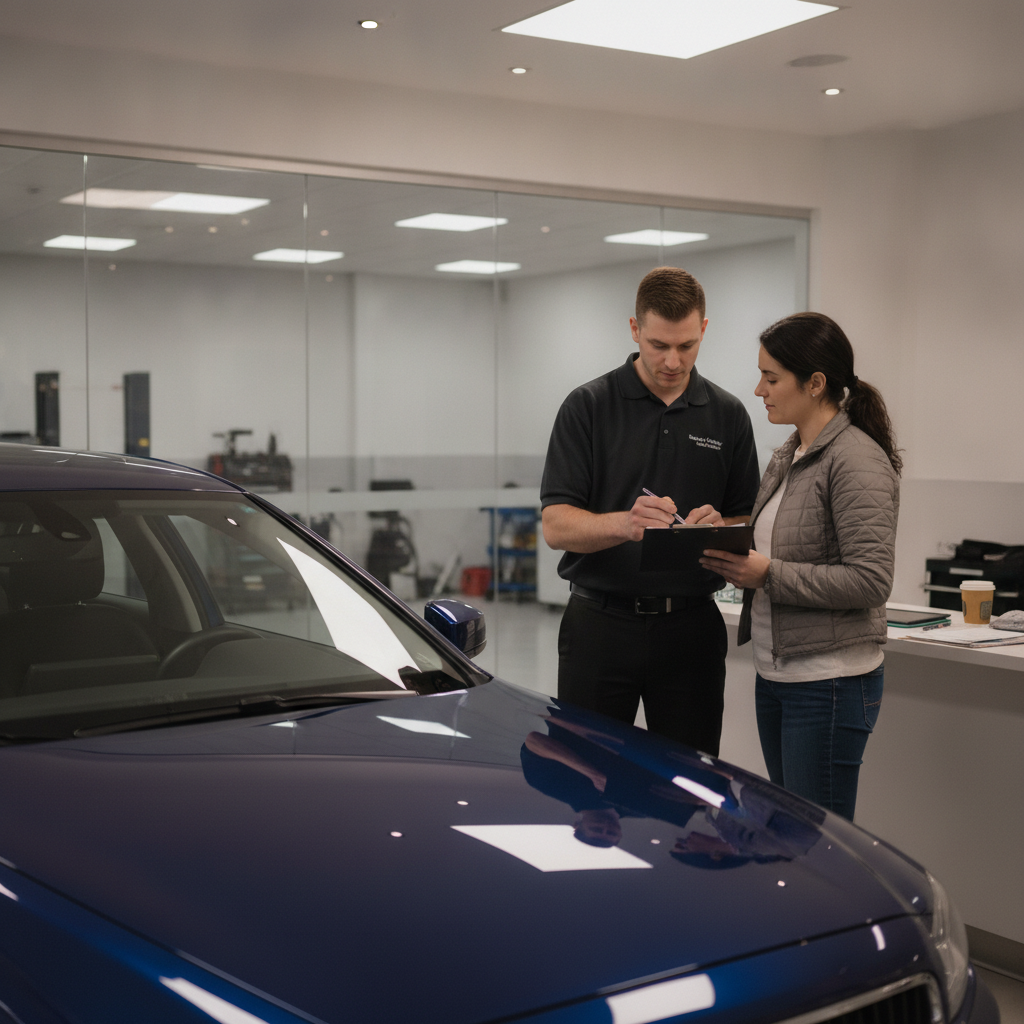
Settlement outcomes reflect verified repair scope, parts and labor operations, and any approved supplements. While you shouldn’t focus on numbers here, understanding what factors influence settlements helps you communicate clearly and close your ICBC file faster.
Factors that influence settlement and timing
- Repair scope and parts availability: Complex structural work and specialty parts often extend timelines.
- Supplemental findings: Hidden damage discovered mid-repair is documented and submitted for approval.
- Calibrations and scans: ADAS and safety systems add required steps that protect you on the road.
- Documentation quality: Clear alignment and calibration reports reduce rework and questions later.
Our role as a network partner is to keep documentation tight and communication fast. From the first estimate to final file notes, our team works to minimize delays so you can get back to normal driving.
Case Studies from Burnaby Drivers
Real-world examples show how small details shape outcomes. In each case, quick communication between the driver, our shop, and ICBC resolved issues and kept files moving toward closure.
1) Front-end collision with ADAS calibrations
A Burnaby commuter picked up a compact SUV after bumper, grille, and condenser replacement. On the first drive, a forward-camera warning illuminated. We ran a scan, completed camera calibration, and documented the process. The file note and report kept the claim on track without back-and-forth.
2) Subtle color shift on a pearl white door
The vehicle looked perfect indoors, but outdoors at midday the door looked slightly warmer than the fender. We re-checked the paint code, refined the mix, and extended the blend into the quarter panel. The customer inspected in shade and sun; sign-off followed with confidence.
3) Slight pull after suspension work
After a lower control arm replacement, the steering wheel sat a few degrees off-center. Our alignment verification showed a toe variance; we reset to spec and performed a steering angle sensor calibration. A short road test confirmed straight tracking and proper brake feel.
How A1 Buller Streamlines Your Post-Repair ICBC Steps
As an ICBC PLATINUM PARTNER in Burnaby, A1 Buller handles estimates, repairs, documentation, and many logistics in-house. You get certified collision repair plus select mechanical services—alignment, tires, brakes, and A/C—so post-repair checks happen faster and with fewer handoffs.
Services under one roof
- Collision and body work: Structural, panel, and refinish expertise with quality paint matching.
- Mechanical checks: Wheel alignment, tire replacement, and brake replacement to confirm drivability.
- Comfort systems: A/C service to verify temperature control after front-end repairs.
- Estimates and guidance: Free estimates and a clear walkthrough of your documents and next steps.
Because you’re not bouncing between shops, it’s simpler to identify and resolve post-repair concerns quickly. That helps your ICBC claim after collision repair finish cleanly and confidently.
Frequently Asked Questions
Most post-repair claim questions focus on what to inspect, which documents to keep, and who to call if something feels off. Here are clear, direct answers you can use today.
What should I check when I pick up my repaired car?
Inspect the paint match in natural light, confirm panel gaps look even, and take a short drive to assess steering and brake feel. Verify that no warning lights remain on and review your repair order, alignment printout, and any calibration reports before you leave.
Who do I contact if something feels wrong after pickup?
Call your ICBC partner repair shop first. They can road test the vehicle, recheck alignment and calibrations, and document any supplemental work. Prompt reporting helps the shop coordinate with ICBC and keep your claim moving without unnecessary delays.
Do I need to keep my alignment and calibration reports?
Yes. Keep the alignment printout and any calibration reports with your repair order. They prove the vehicle was set to spec and provide a baseline for future service. If a warning light appears later, those records help technicians diagnose faster.
Can I close my ICBC claim if I notice a minor issue?
Report the issue to your repair shop before closing the file. Many concerns—like slight paint tone differences or a steering pull—can be addressed quickly. Your shop will advise ICBC if a supplement is needed so the claim reflects the corrected work.
What if I need help understanding my documents?
Bring your paperwork to your ICBC Repair Network shop. A service advisor can explain the repair order, parts list, alignment specs, and calibration notes. Clear understanding helps you drive away confident and keeps your claim file organized.
Conclusion and Next Steps
Your ICBC claim after repair closes smoothly when you verify quality, keep key documents, and communicate quickly. Work with an ICBC partner shop that can address post-repair concerns in-house so your settlement and safety are protected.
- Key takeaways: Inspect in varied light, test drivability, and save alignment and calibration records.
- Action now: If anything feels off, contact your ICBC Repair Network shop immediately.
- Local support: Visit the certified team at A1 Buller Auto Collision in Burnaby for guidance and a free estimate.
Ready to finalize your claim? Book a quick post-repair check with our certified technicians—then drive with confidence. We’re here to help you close your file smoothly and safely.