Car AC Service: Keep Cool & Skip Costly Repairs in 2026
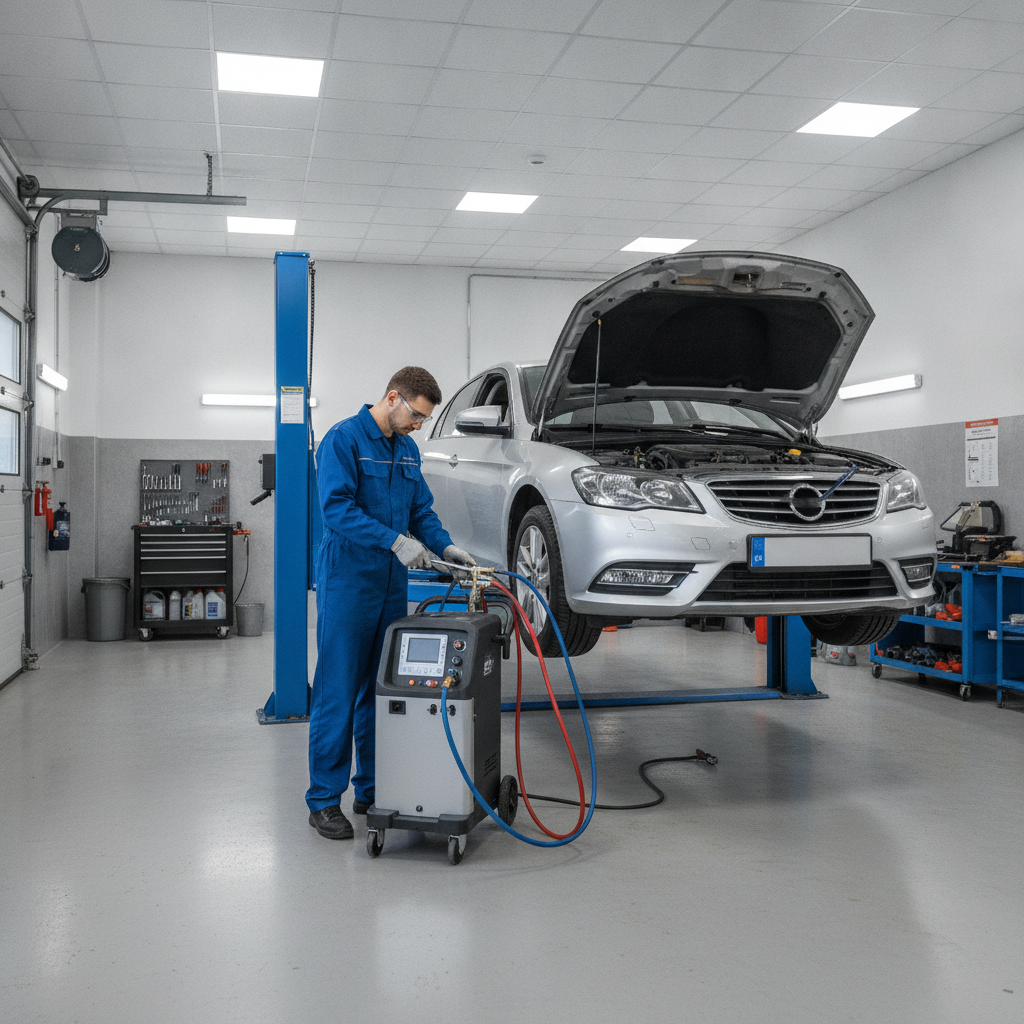
Car AC service maintenance schedule refers to the planned intervals for inspecting, cleaning, and recharging your vehicle’s air-conditioning system. For Burnaby drivers, a practical rhythm is an annual AC check each spring, with refrigerant and cabin filter attention every 1–2 years. Sticking to a schedule prevents warm-air surprises and helps avoid major component failures.
By A1 Buller Auto Collision — ICBC Platinum Partner, certified technicians, Burnaby
Last updated: July 5, 2026
Quick Summary
A reliable car AC service maintenance schedule is simple: book a spring AC inspection every year, replace the cabin air filter every 12–24 months, and service refrigerant as needed after leak testing. This cadence preserves cooling performance, protects the compressor, and keeps summer driving comfortable around Burnaby.
Use this at-a-glance plan to stay cool and protect key AC components. We also share local tips for Burnaby driving, seasonal timing, and how our technicians integrate AC care with alignment, tires, and brakes to keep your vehicle road-ready.
- Annual spring AC check: system pressures, outlet temp, leaks, belt/drive, condenser air flow.
- Cabin air filter: inspect every 12 months; replace every 12–24 months or sooner in dusty/pollen-heavy routes.
- Refrigerant service: only after verified leak testing; top up or evacuate/recharge to spec.
- On-road cues: warmer air at idle, foggy glass, mildew smell, noisy compressor, or intermittent cooling.
- Integrate with service: align AC checks with tire rotations, brake inspections, and wheel alignment visits.
What is a car AC service maintenance schedule?
A car AC service maintenance schedule is a repeatable plan that times inspections, cleaning, and refrigerant service to your climate and driving. Most drivers benefit from a yearly spring inspection plus filter and refrigerant maintenance every 12–24 months. The goal is steady cooling, clean air, and compressor protection.
Think of the schedule as preventive cooling care. It aligns simple checks with seasons you actually feel: spring readiness, summer peak, and a quick pre-winter look if you run defrost often. The cadence can vary with vehicle age, mileage, and commute.
- Core tasks: visual leak checks, pressure readings, vent temperature, condenser/evaporator air flow, electrical controls, and refrigerant charge verification.
- Hygiene items: cabin filter inspection, evaporator drain clearing, and odor mitigation if needed.
- Service triggers: uneven cooling, oily residue on fittings, musty smells, or short cycling.
At A1 Buller Auto Collision, we tie AC checks to milestones you’re already hitting—oil changes, tire/brake visits, or alignment checks—so you remember them and save a trip.
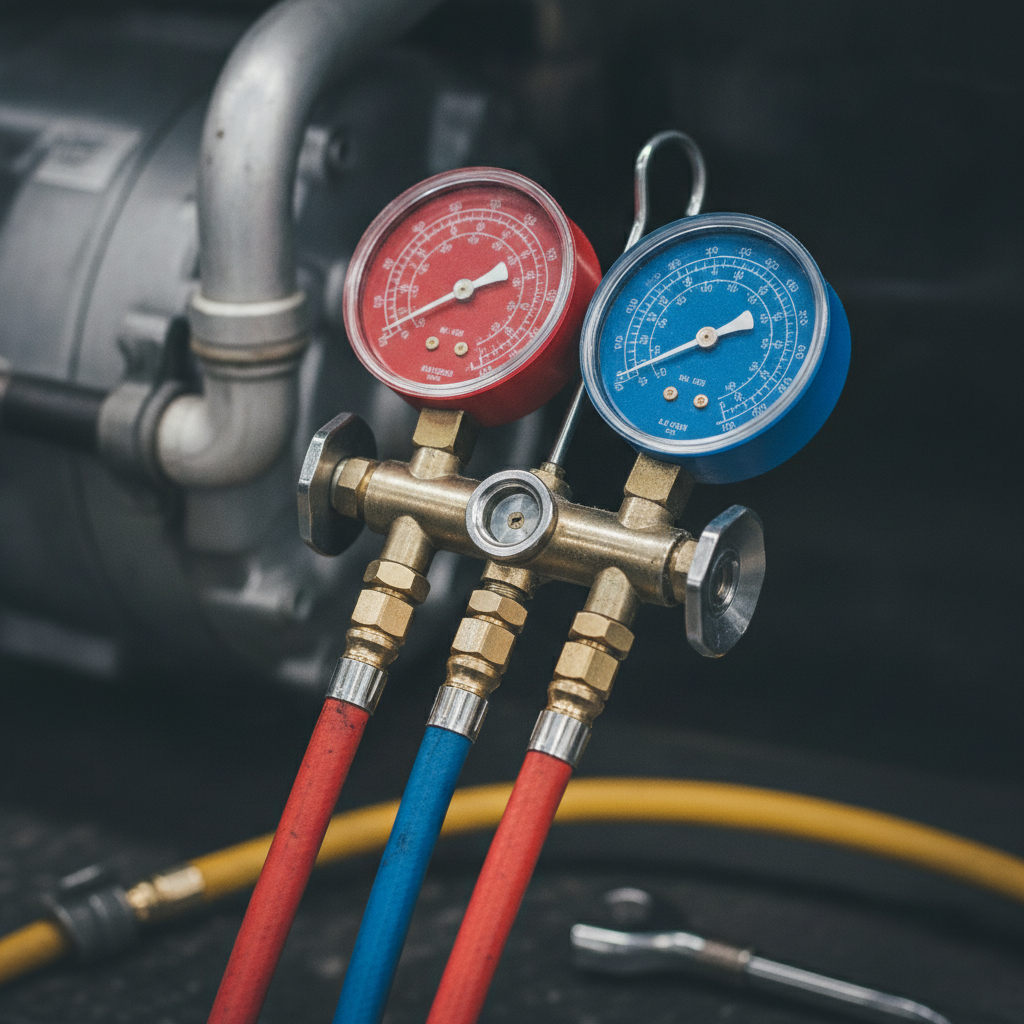
Why your AC service schedule matters
Your schedule protects comfort, visibility, and major components. Consistent AC service preserves cool vent temps in traffic, keeps defrost fast on damp days, and reduces compressor wear. Regular attention also catches small leaks early, preventing surprise failures during peak summer heat.
Cooling isn’t just comfort; it supports safety. In coastal climates, AC-driven dehumidification clears fogged glass quickly. Meanwhile, steady pressures and clean airflow reduce strain on the compressor—one of the most critical and sensitive parts of the system.
- Comfort under load: ACs work harder in stop‑and‑go or during heat waves. A tuned system holds steady vent temps longer.
- Faster defog/defrost: Proper charge and airflow clear condensation much faster than neglected systems.
- Component longevity: Clean filters and correct charge support compressor life by avoiding extreme pressure cycles.
- Leak catch‑and‑fix: Dye/UV checks reveal seepage before performance drops.
We’ve seen vehicles roll in with “fine yesterday, warm today.” Nine times out of ten, there were early cues—faint odors, slight temperature drift, or residue on lines—that a yearly check would have spotted.
How car AC works—and what service actually covers
Your car AC moves heat by compressing refrigerant, condensing it, then evaporating it inside the cabin. Service verifies that each stage—compressor, condenser, expansion device, and evaporator—has correct pressures and airflow, and that controls, blower, and drain paths function without restriction or leaks.
Here’s the quick loop: the compressor raises refrigerant pressure and temperature, the condenser sheds heat to outside air, the expansion device meters flow, and the evaporator absorbs cabin heat and moisture. Controls, sensors, and the blower make that cooling feel consistent.
- What we inspect: belt condition/tension, compressor engagement, condenser fins, fans, cabin filter, drain tube, lines/fittings, pressure readings, and vent temperature stability.
- What we test: static/dynamic pressures, dye/UV leak checks, outlet temperature with doors open/closed, and idle versus 1,500–2,000 RPM performance.
- What we service: evacuate/recharge to spec after verified leak integrity, replace cabin filter, clear drains, clean condenser face, and sanitize evaporator box if odors persist.
Because we’re a full auto body and mechanical support shop, we can also flag related issues—like a cooling fan concern or belt wear—during the same visit.
Recommended car AC service maintenance schedule
Follow a simple cadence: spring AC inspection every year; cabin filter every 12–24 months; leak‑tested refrigerant service as needed; and a quick performance check before long summer drives. Sync with tire rotations or brake inspections to build a habit you won’t forget.
Use the table below as a practical planning tool you can pin to your calendar. It blends seasonal timing with common mileage windows and integrates with visits you already make for alignment, tire replacement, or brake service.
| Interval | What to do | Why it helps | Pro tip |
|---|---|---|---|
| Every spring (annual) | Full AC inspection: pressures, vent temps, leaks, belt, condenser air flow | Prepares for warm weather; catches small leaks early | Combine with seasonal tire changeover or alignment check |
| 12–24 months | Replace cabin air filter; inspect blower and evaporator drain | Improves air quality and airflow; reduces odors and fogging | More often if you drive dusty routes or park under trees |
| As needed (after leak test) | Evacuate/recharge refrigerant to spec; replace Schrader valves/caps if needed | Restores cooling performance and correct operating pressures | Never top up blindly—verify system integrity first |
| Before road trips | Quick vent‑temp and fan test; inspect condenser face for debris | Prevents surprises during extended driving | Keep a simple vent thermometer in the glove box |
Many drivers pair this plan with routine brake and tire checks. It’s efficient, and if we see uneven tire wear or rotor hotspots, we can advise on alignment or brake service while you’re here.
Service types, methods, and approaches
Effective AC maintenance combines non‑invasive checks, targeted cleaning, and leak‑verified refrigerant service. Start with inspection and diagnostics, add hygiene fixes (filter, drain, evaporator clean), and only then recharge to the factory specification. This layered approach maximizes results and protects components.
Inspection and diagnostics
- Pressure testing: static and running to compare against normal ranges for the day’s temperature.
- Leak detection: UV dye/blacklight or electronic sniffers on suspect fittings and seams.
- Electrical checks: clutch engagement, fuses/relays, fan operation, and HVAC control inputs.
Hygiene and airflow
- Cabin filter: clogged media cuts airflow and raises evaporator icing risk.
- Drain clearing: prevents water pooling and musty odors.
- Condenser cleaning: road grit and leaves reduce heat shedding and raise pressures.
Leak‑verified refrigerant service
- Evacuate/recharge: pull a deep vacuum to remove moisture, then fill to spec by weight.
- Replace caps/valves: small sealing components are inexpensive insurance against seepage.
- Retest performance: verify outlet temps and pressures at idle and elevated RPM.
Our certified technicians prefer this stepwise method because it avoids guesswork and protects the compressor from low‑charge operation.

Best practices for Burnaby drivers
Build habits that match local driving: book your annual AC check in spring, run the system for 10 minutes weekly (even in winter) to lubricate seals, and keep the condenser face clear of leaves and road grit. Pair AC care with tire, brake, and alignment visits for efficiency.
Local considerations for Burnaby
- Transit timing: If you commute near Royal Oak Station, spring appointments beat summer rush and reduce AC downtime when you need cool air most.
- Seasonal moisture: Coastal dampness can fog glass fast. Pre‑summer AC checks ensure strong dehumidifying when rain hits weekends at the Nikkei National Museum & Cultural Centre or nearby parks.
- Operational nuance: Combine AC checks with wheel alignment or tire/brake visits. Our team handles these under one roof, saving you extra trips.
Small steps—like cracking the windows for the first hot minute to purge heat before switching on AC—reduce load and help the system stabilize faster.
Tools and resources you can use
Keep a basic kit: a simple vent thermometer, a flashlight for condenser and drain checks, and your vehicle’s AC capacity spec from the owner’s manual. Use these to spot changes early and to have informed conversations with your technician.
- Vent thermometer: track outlet temps at idle and light cruise after five minutes of AC on max cool.
- Flashlight and gloves: check condenser cleanliness through the grille and look for debris.
- Maintenance log: note dates, odors, temperature readings, and any unusual noises.
- Educational reading: Practical checklists like this spring AC maintenance checklist explain airflow and coil cleanliness concepts that also apply to vehicle systems.
If your readings drift warmer over a few weeks, book a professional check. A1 Buller’s technicians verify pressures, confirm leaks, and recharge to spec only after integrity is proven.
Case studies: real Burnaby scenarios
Real outcomes show why schedules work. In our shop, annual AC checks consistently catch early leaks, clogged filters, or weak fans before summer hits. Addressing these small issues on schedule preserves comfort and prevents emergency visits during heat waves.
Clogged cabin filter causing weak cooling at idle
A commuter reported cool air on the highway but warm air at stoplights. We found a heavily loaded cabin filter restricting airflow. After replacing the filter and cleaning the condenser face, vent temps stabilized in traffic and odor complaints vanished.
Slow leak discovered during spring check
Another driver noted a gradual temperature increase over several weeks. UV dye testing revealed a tiny seep at a service port valve. We replaced the valve cores, evacuated, and recharged to spec. Performance returned to normal and held through summer.
AC performance tied to engine cooling fan
Intermittent warm air at idle traced back to a non‑engaging low‑speed fan. Correcting the fan control restored condenser airflow and steady pressures. This is where our multi‑service setup helps—we can diagnose cooling system and AC interactions in one visit.
In our experience, pairing AC checks with tire rotation, brake inspection, or wheel alignment makes it easy to stay on track. If uneven tire wear or brake pulsation shows up, we can address that while your AC test completes.
Frequently Asked Questions
Drivers ask about timing, DIY steps, and warning signs. Aim for a yearly spring AC inspection, replace the cabin filter every 12–24 months, and watch for warmer air, musty odors, and noisy compressor engagement. When in doubt, book a professional leak test before any recharge.
How often should I service my car’s AC?
Book a full AC inspection every spring, then replace the cabin filter every 12–24 months. Recharge refrigerant only after a leak test confirms system integrity. If cooling performance drops noticeably or odors appear, schedule a check sooner.
What are early signs my AC needs attention?
Watch for warmer vents at idle, musty smells on startup, intermittent cooling, noisy compressor clicks, or oily residue on fittings. These cues often show up weeks before a bigger problem and are best checked during a scheduled inspection.
Can I just top up refrigerant myself?
Avoid blind top‑ups. Overfilling or masking a leak can harm the compressor. A professional will test for leaks, evacuate moisture, and recharge to the exact factory weight—steps that protect the system and restore performance safely.
Does AC service connect to other maintenance?
Yes. We often pair AC checks with wheel alignment, tire rotation or replacement, and brake inspections. It saves time and helps catch related issues—like fan performance or belt wear—during one appointment.
Evidence, research, and trends
Cooling performance depends on charge level and clean airflow. Practical maintenance guides emphasize routine inspections, coil cleanliness, and early leak detection—principles that apply to vehicle AC, too. Reading broadly sharpens your checklist and helps you spot issues earlier.
For background on maintenance mindsets, see practical resources like this overview of AC maintenance tips and this guide to common AC warning signs. While those focus on buildings, the airflow and coil‑cleanliness principles translate well to vehicles.
Conclusion and next steps
Keep your car cool with a simple plan: a spring AC inspection every year, cabin filter every 12–24 months, and leak‑tested refrigerant service as needed. Pair AC care with tires, brakes, and alignment to save time, and schedule early in the season for the best availability.
- Book your annual AC inspection before summer heat.
- Add the cabin filter to your 12–24 month list.
- Request leak testing before any recharge.
- Bundle with alignment, tires, and brakes to stay road‑ready.
Soft CTA: If you’re in Burnaby, our certified technicians at A1 Buller Auto Collision can complete your spring AC check and coordinate alignment, tires, and brakes in the same visit. Call during our extended hours or request an appointment online.
Key takeaways
Annual spring AC checks, 12–24 month cabin filters, and leak‑verified recharges form a reliable maintenance schedule. Align AC care with other service visits, watch for early warning signs, and book ahead of heat waves to avoid delays and keep cooling steady.
- One annual AC inspection prevents most surprises.
- Clean airflow equals quicker cooling and better defogging.
- Never recharge without a leak test.
- Bundle AC, brakes, tires, and alignment for efficiency.
- Schedule early to beat seasonal rush in Burnaby.